
💭 What to do if you think you may have dementia
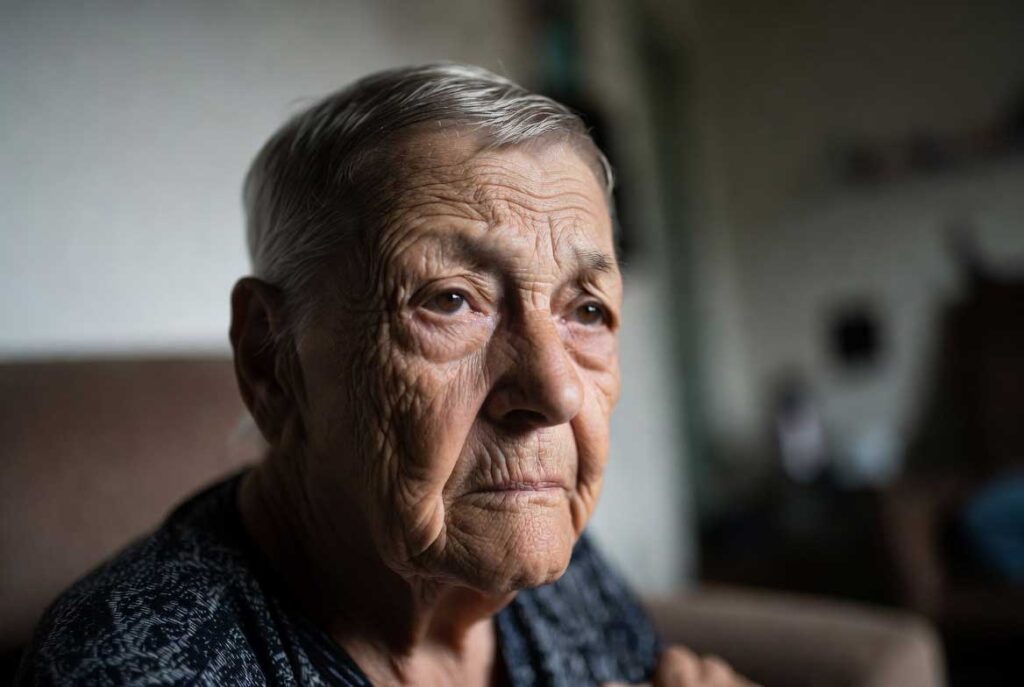
We all forget things as we get older, it’s just part of natural ageing. But there are some indicators that might mean it’s a bit more than that. Here are some warning signs.
Take a moment to see if any of these apply to you or a loved one:
- Difficulty with everyday tasks such as paying monthly bills, following recipe when cooking, instructions on flat packs.
- Repetition - when writing letters, doing things twice.
- Communications. Forgetting words, completely losing the conversation.
- When out on your own, forgetting your way home. Being unable to remember where you are going or what for.
- Personality changes, very rapid, person can sometimes become aggressive. Stops reading books, active person becomes lazy.
- Easily becomes confused as to times and places.
- Regularly misplacing things, eg keys in fridge, watch in sewing basket.
- Troubling behaviour, such as having trouble dressing, putting other people's clothes on.
- Difficulty with abstract thinking, finding it difficult to absorb information from things you read or you are told.
1. First, book an appointment with your GP
…to ask for a dementia review. Your GP might carry this out, or you might get a referral to a specialist unit such as the Bowmore at the Countess of Chester. You might get the all-clear, or you might get a diagnosis. If you’ve got it, your diagnosis is the first step on the path to living well with dementia.
2. Discuss your diagnosis with family.
You can use the time now to do some planning. There are things like an Advance Care Plan you can draw up, to make it clear how you would like to be looked after. And if you have a trusted relative, consider drawing up a Lasting Power of Attorney, so your attorney can make decisions for you, either financial or medical or both.
3. Do you drive?
You must let DVLA know about your diagnosis. They don’t automatically take your licence away, but do check with family if they notice any safety issues.
4. Look for a support group and join it,
…with your partner if possible. Local support groups such as Bouncing Back (call Jim on 07743 903348 or John on 07985-650234) can be a source of much information about the benefits and support you are entitled to, as well as a valuable source of encouragement from people in the same boat as you. Get a copy of the helpful booklet ‘Knowledge is Power’.
5. Look out for dementia-friendly activities in your area.
These groups – memory cafes, walks, and the like – are often attended by people from the Alzheimer’s Society or Admiral Nurses. They will offer free booklets with all sorts of useful information, from applying for Attendance Allowance to reductions in Council Tax, to getting a Blue Badge.
6. And finally –
know that a diagnosis is not the end, it’s more like the beginning of a new chapter. Many people live well with dementia, and there is a lot of support out there. You are definitely not on your own – The Alzheimer’s Society estimate that there are almost a million people with dementia in the UK.
So reach out and you will be pleasantly surprised at the help that’s available.
If you’re concerned, worried, or just need someone to talk to, we’re here to help