
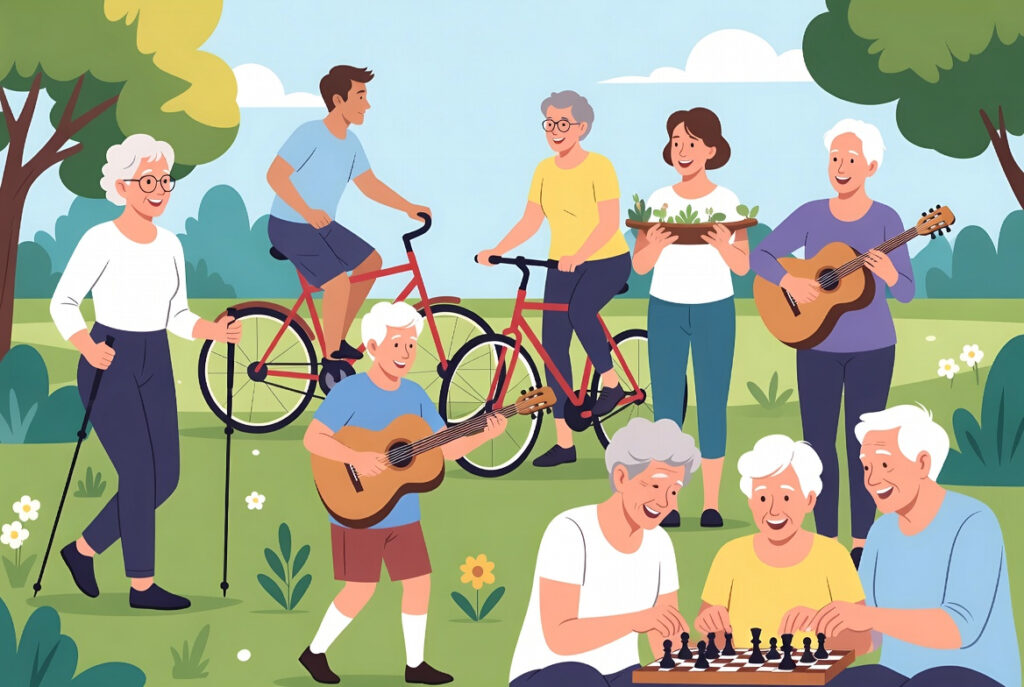
While there is no cure for dementia, including Alzheimer’s, substantial evidence shows that lifestyle changes and addressing modifiable risk factors can help prevent, delay, or slow its onset and progression.
The 2024 Lancet Commission report (the latest major update) indicates that tackling 14 modifiable risk factors could potentially prevent or delay up to 45% of dementia cases worldwide. These include untreated vision loss and high LDL cholesterol as newly confirmed risks, alongside others like hypertension, hearing loss, smoking, and physical inactivity.
Recent trials, such as the U.S. POINTER study (results published 2025), confirm that structured lifestyle programmes—combining exercise, healthy eating, cognitive challenges, and social engagement—can improve cognition and protect against age-related decline in at-risk older adults.
Here are practical, evidence-based steps to support brain health:
1. Keep Physically Active
Regular exercise boosts brain blood flow, reduces inflammation, and supports heart health.
- Aim for at least 150 minutes of moderate activity weekly (e.g., brisk walking, swimming, cycling) plus strength exercises 2–3 times a week.
- Even consistent movement helps maintain function in those with mild cognitive impairment.
2. Eat a Brain-Healthy Diet
Follow patterns like the Mediterranean or MIND diet.
- Emphasise leafy greens, berries, nuts, whole grains, fish, olive oil, and vegetables.
- Limit processed foods, red/processed meats, sweets, saturated fats, and excess sugar.
- Control weight, blood sugar (to avoid diabetes), and high LDL cholesterol.
3. Protect Heart and Metabolic Health
Vascular issues contribute to many dementias.
- Manage high blood pressure with lifestyle changes and medication if needed.
- Prevent or control diabetes.
- Quit smoking.
- Limit alcohol to moderate levels.
4. Safeguard Senses and Head
- Get regular hearing and vision checks; use aids if required (untreated loss raises risk).
- Prevent head injuries: wear helmets/seatbelts and reduce fall risks.
5. Stimulate Your Brain
Build cognitive reserve through lifelong learning.
- Read, learn new skills (e.g., languages, instruments), or take classes.
- Engage in cognitive training, ideally combined with physical activity.
6. Stay Socially Connected
- Maintain friendships, join groups, volunteer, or participate in community activities.
- Address depression or chronic stress with support, exercise, or professional help.
7. Adopt Healthy Habits Overall
- Aim for 7–9 hours of good sleep nightly.
- Minimise air pollution exposure where possible.
- Stay up to date with health checks and vaccinations.
Combining these approaches yields the strongest benefits. Results vary by individual (genetics and consistency play roles), but many experience better daily function, mood, and thinking.
Start early and sustain these habits for the best chance of protecting your brain. If you notice memory changes, consult a GP—they can check for reversible causes and offer tailored advice.
Small changes today can make a real difference to brain health tomorrow.